• Skip to primary navigation
  • Skip to main content
  • Skip to primary sidebar
Simple Roots of Joy
  • Recipes
    • Breakfast
    • Appetizers
    • Bread
    • Dinner
    • Sides
  • Weekly Meal Plans
    • February Meal Plans
  • About
    • Meet Lindsay
    • DISCLOSURE AND PRIVACY

Sautéed Green Beans with a Simple Butter Sauce

January 31, 2026 by simplerootsofjoy Leave a Comment

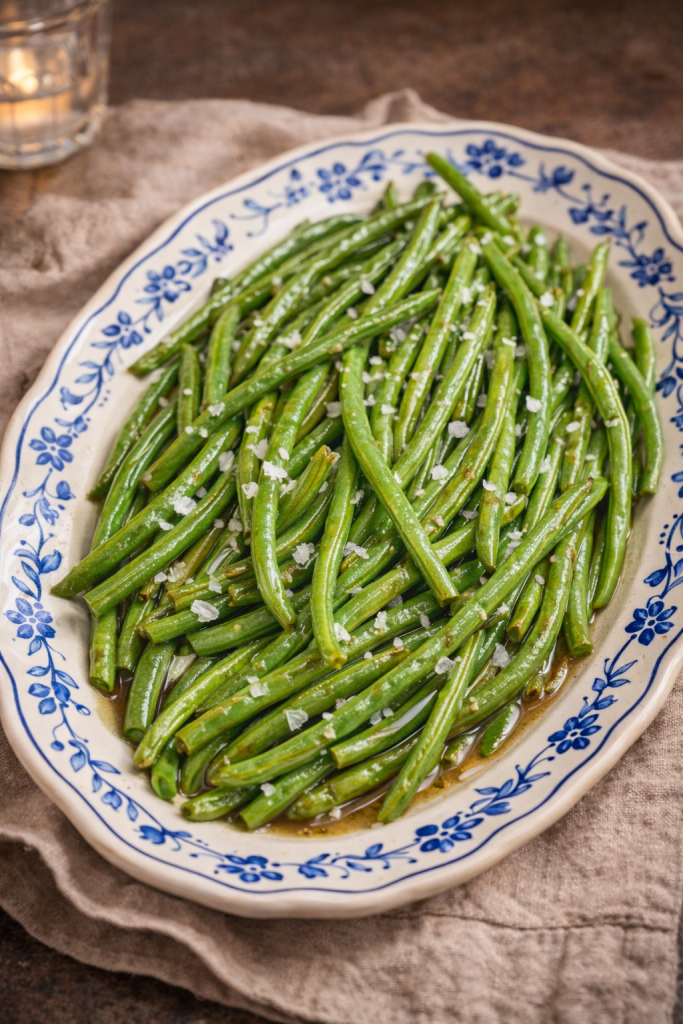
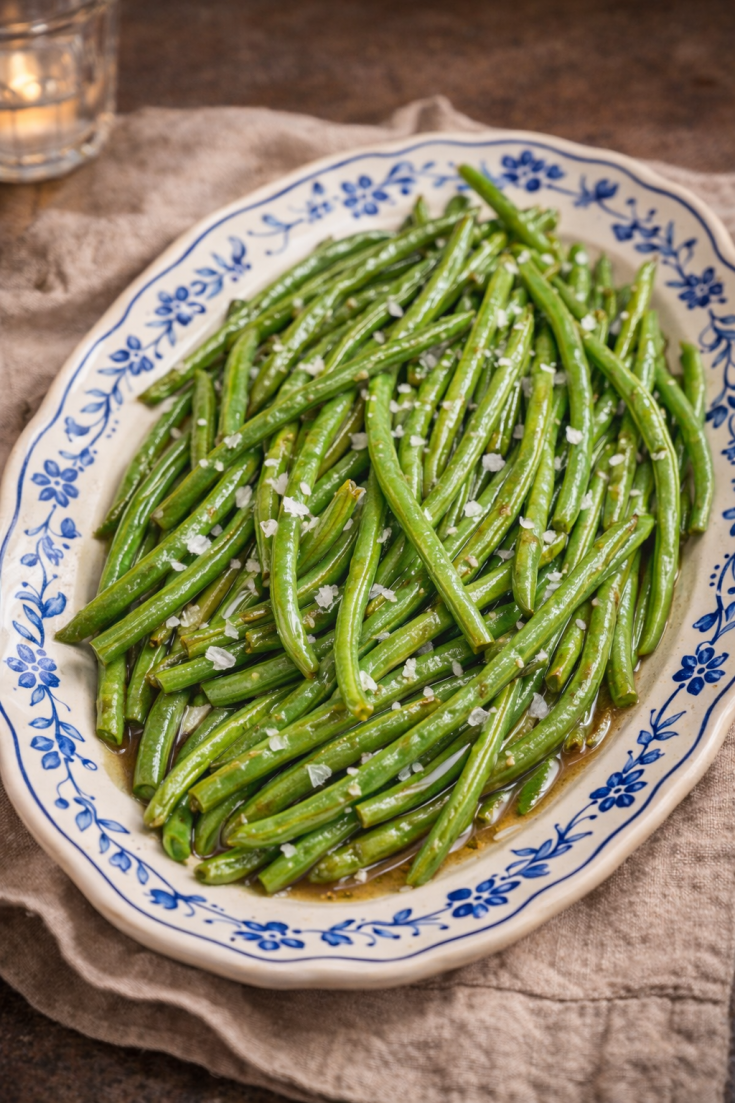
These green beans are one of those side dishes I make without really thinking about it. Nothing fancy, nothing complicated — just good ingredients, cooked gently, and finished with salt. Simple, and somehow always delicious..

Instead of a traditional beurre blanc, this is more of a simple butter-and-water sauce. The kind that forms naturally in the pan and quietly does its job. It coats the beans, picks up all the flavor from the skillet, and turns a bag of green beans into something delicious.

Ingredients

  • 1 lb fresh green beans, ends trimmed
  • 2 tablespoons butter, divided
  • ¼ cup hot water
  • 1 teaspoon Better Than Bouillon (vegetable or chicken)
  • Flaky sea salt, for finishing
  • Freshly ground black pepper (optional)

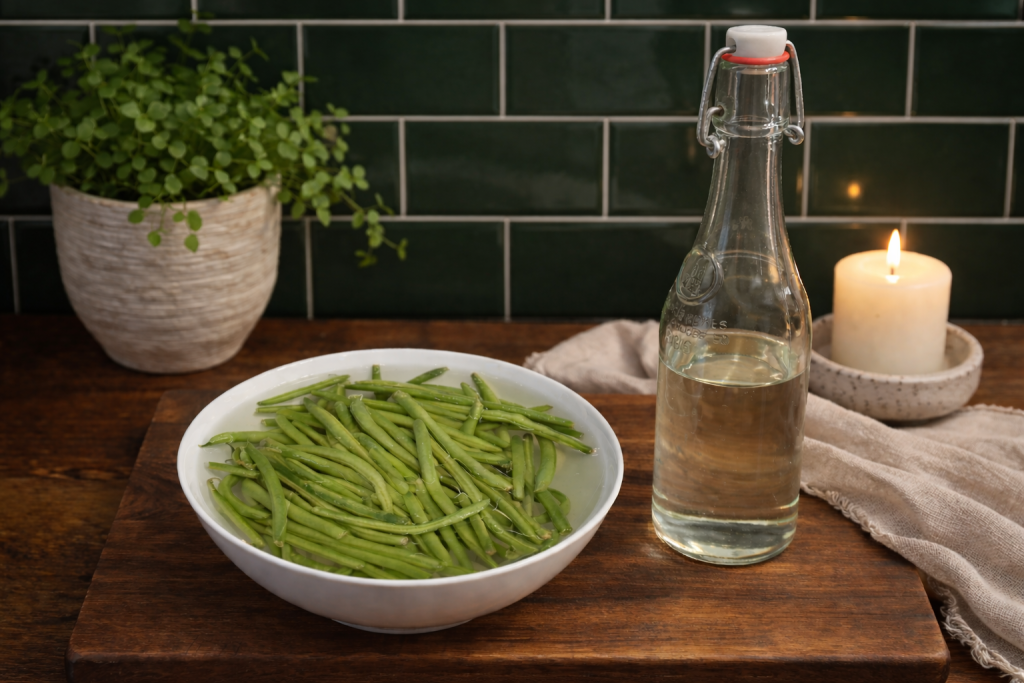
Prep: Wash the green beans. I like to soak vegetables in cold water with a splash of white vinegar for a few minutes, then rinse thoroughly. Pat dry, snap off the ends, and set aside.

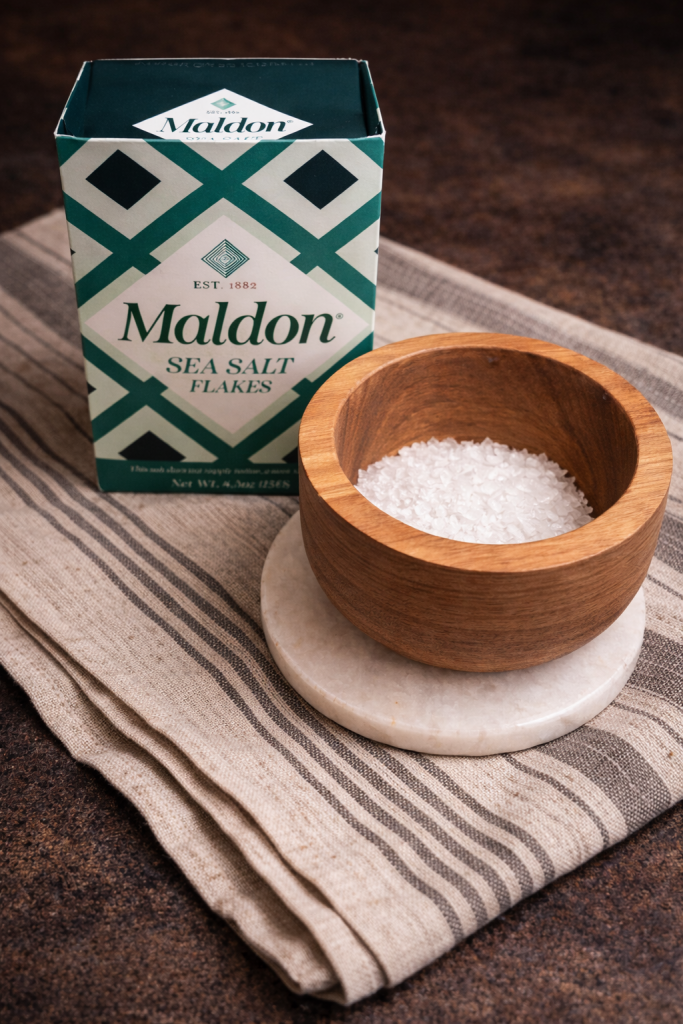
Set out all ingredients: 2 tablespoons butter (cut into 1-tablespoon pieces), ¼ cup hot water, 1 teaspoon Better Than Bouillon, and flaky sea salt (Maldon).

How to Make

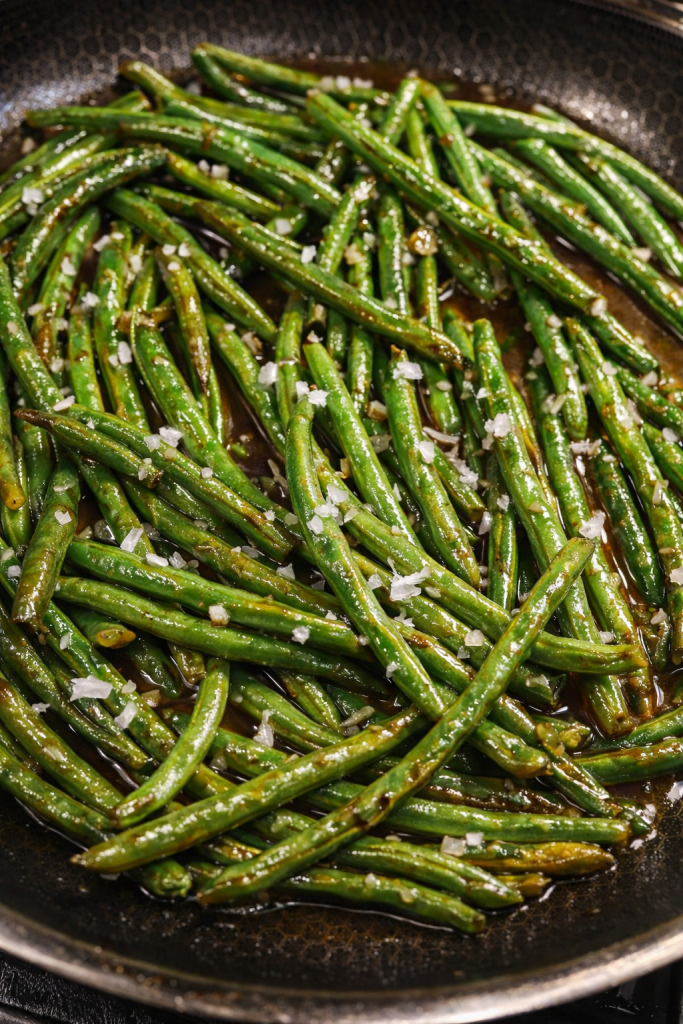
Heat a large skillet over medium heat and add one tablespoon of butter. When it melts, add the green beans and toss to coat. Let them cook for a few minutes, stirring occasionally, until they turn bright green and begin to blister slightly.

Stir the Better Than Bouillon into the hot water and pour it into the skillet. It will sizzle and loosen all the flavorful bits from the bottom of the pan. Lower the heat slightly and add the remaining tablespoon of butter, gently swirling the pan as it melts and turns the liquid into a light, silky sauce.

Let everything simmer for another couple of minutes, just until the sauce reduces slightly and clings to the beans. You’re looking for tender green beans with a little bite left — not soft, not mushy.

Remove from the heat and finish with flaky sea salt and a little black pepper if you like.

A Few Notes

This is the kind of side dish that works with almost anything — roast chicken, steak, a simple piece of fish, or even just a bowl of rice. It’s good, reliable, and easy enough to make on an ordinary night.

Enjoy!

❤️ Lindsay

Yield: 6

Sautéed Green Beans with a Simple Butter Sauce

Sauteed Green Beans

This is the kind of side dish that works with almost anything — roast chicken, steak, a simple piece of fish, or even just a bowl of rice. The beans stay bright and tender, coated in a light glaze and finished with flaky salt. It’s straightforward, familiar, and easy enough to make on an ordinary night.

Prep Time 5 minutes
Cook Time 10 minutes
Total Time 15 minutes

Ingredients

  • 1 lb fresh green beans, ends trimmed
  • 2 tablespoons butter, divided
  • ¼ cup water
  • 1 teaspoon Better Than Bouillon (vegetable or chicken)
  • Flaky sea salt, for finishing
  • Freshly ground black pepper (optional)

Instructions

    1. Heat a large skillet over medium heat and add one tablespoon of butter. When it melts, add the green beans and toss to coat. Let them cook for a few minutes, stirring occasionally, until they turn bright green and begin to blister slightly.
    2. Stir the Better Than Bouillon into the water and pour it into the skillet. It will sizzle and loosen all the flavorful bits from the bottom of the pan. Lower the heat slightly and add the remaining tablespoon of butter, gently swirling the pan as it melts and turns the liquid into a light, silky sauce.
    3. Let everything simmer for another couple of minutes, just until the sauce reduces slightly and clings to the beans. You’re looking for tender green beans with a little bite left — not soft, not mushy.
    4. Remove from the heat and finish with flaky sea salt and a little black pepper if you like.

Notes

  • Wash the green beans well and dry them thoroughly before cooking. Extra moisture can cause splattering and prevent them from sautéing properly.
  • Trim or snap off the stem ends, but don’t worry about making them perfectly even.
  • Having the beans washed, dried, and trimmed before you start cooking helps everything move quickly once the pan is hot.
  • This comes together quickly, so having the ingredients ready makes all the difference.

© Lindsay Jury
Category: Recipes

Filed Under: Recipes, Sides Tagged With: beans, butter, easy, flaky sea salt, side dishes

Breakfast Enchiladas with Sausage Gravy

January 28, 2026 by simplerootsofjoy Leave a Comment

This is one of those breakfasts that feels a little extra — in the best way. The kind you make on a slow weekend morning, for a holiday, or when everyone’s home and you want something warm and comforting coming out of the oven.

Soft flour tortillas are filled with buttery scrambled eggs and melty cheese, then smothered in a creamy sausage gravy and baked until bubbling. It’s rich, cozy, and deeply satisfying.

Best of all, it’s surprisingly simple and can be prepped ahead, making it perfect for mornings when you don’t want to be standing at the stove while everyone’s hungry.

Ingredients

For the eggs

  • 12 eggs
  • ½ cup milk
  • 1/2 tsp. Kosher salt
  • Pinch of black pepper 
  • 4 tablespoons butter
  • 2 cups shredded Colby Jack or Cheddar Jack cheese

For the sausage gravy

  • 16 oz breakfast sausage
  • 2 T butter
  • 1/4 cup all-purpose flour
  • 3 cups whole milk
    (any combination of milk, heavy cream, and/or half-and-half works)
  • Salt and pepper

For assembling

  • 8 (8-inch) flour tortillas

How to Make Breakfast Enchiladas

1. Scramble the eggs
In a bowl, whisk together the eggs, milk, salt, and pepper. Melt the butter in a skillet over medium-low heat. Add the eggs and cook gently, stirring often, until just set and still soft. Don’t overcook — they’ll finish cooking in the oven. Remove to a bowl, cover, and set aside until later. 

2. Make the sausage gravy
In the same skillet, brown the breakfast sausage over medium heat until cooked through. Leave the fat in the pan — that’s what gives the gravy its richness. Melt in the 2 tablespoons of butter.  Sprinkle the flour over the sausage and stir to coat. Cook for about 1 minute. Slowly pour in the milk, stirring constantly, and cook until thickened. Season with salt and pepper.

3. Assemble
Preheat the oven to 375°F and grease a 9×13-inch baking dish.
Fill each tortilla with scrambled eggs and a handful of cheese. Roll up and place seam-side down in the dish.

4. Bake
Pour the sausage gravy evenly over the enchiladas. Cover with foil and bake for 20–25 minutes, until hot and bubbling. For a little color on top, uncover during the last few minutes.

A Few Notes from My Kitchen

  • These are perfect for making the night before — just cover and refrigerate, then bake in the morning
  • Sautéed onions or peppers are a nice addition to the eggs
  • Serve with fresh fruit to balance the richness

This is one of those recipes that feels like home. Nothing fancy — just warm, comforting food meant to be shared.

🍊 Lindsay

Yield: 8

Breakfast Enchiladas with Sausage Gravy

Breakfast Enchiladas with Sausage Gravy

Soft flour tortillas are filled with buttery scrambled eggs and melty cheese, then smothered in a creamy sausage gravy and baked until bubbling. It’s rich, cozy, and deeply satisfying.

Prep Time 20 minutes
Cook Time 20 minutes
Total Time 40 minutes

Ingredients

For the eggs

  • 12 eggs
  • 1/2 c. milk
  • 1/2 tsp. Kosher Salt
  • Pinch of black pepper
  • 4 T. butter
  • 2 c. shredded Colby Jack or Cheddar Jack cheese

For the sausage gravy

  • 16 oz. breakfast sausage
  • 2 T. butter
  • 1/4 c. all-purpose flour
  • 3 cups whole milk (any combination of milk, heavy cream and/or half and half works)
  • Salt and pepper

Instructions

    1. Scramble the eggs

    In a bowl, whisk together the eggs, milk, salt, and pepper. Melt the butter in a skillet over medium-low heat. Add the eggs and cook gently, stirring often, until just set and still soft. Don’t overcook — they’ll finish cooking in the oven. Transfer to a bowl, cover, and set aside. 

    2. Make the sausage gravy

    In the same skillet, brown the breakfast sausage over medium heat until cooked through. Leave the fat in the pan — that’s what gives the gravy its richness. Melt in the 2 tablespoons of butter.  Sprinkle the flour over the sausage and stir to coat. Cook for about 1 minute. Slowly pour in the milk, stirring constantly, and cook until thickened. Season with salt and pepper.

    3. Assemble

    Preheat the oven to 375°F and grease a 9×13-inch baking dish.Fill each tortilla with scrambled eggs and a handful of cheese. Roll up and place seam-side down in the dish.

    4. Bake

    Pour the sausage gravy evenly over the enchiladas. Cover with foil and bake for 20–25 minutes, until hot and bubbling. For a little color on top, uncover during the last few minutes.

Notes

  • These are perfect for making the night before — just cover and refrigerate, then bake in the morning
  • Sautéed onions or peppers are a nice addition to the eggs
  • Serve with fresh fruit to balance the richness

© Lindsay Jury
Category: Recipes

Filed Under: Breakfast, Recipes

Pickled Red Onions

January 23, 2026 by simplerootsofjoy Leave a Comment

Tangy pickled red onions are one of those small things that make everyday meals better. I almost always have a jar in the fridge, ready to add to tacos, salads, sandwiches, and more.

They’re quick to make, keep well, and add just the right balance of acid and crunch to so many dishes.

Pickled Red Onion

Why I Always Keep Pickled Red Onions on Hand

The vinegar softens the sharp bite of raw onion and turns it into something bright, slightly sweet, and pleasantly tangy. They take just a few minutes to prepare and seem to improve just about everything they’re added to.

Simply thinly slice a red onion, mix hot water with vinegar, salt, and sugar, and pour it over the onions. After about an hour of cooling on the counter, they’re ready to move to the refrigerator.

They’ll keep for up to two weeks — though they rarely last that long here.

As they sit, the liquid turns a beautiful shade of pink. I often save it to use in simple salad dressings for a subtle onion flavor and extra tang.

How to Serve Pickled Red Onions

  • Pickled red onions are incredibly versatile. A few favorite ways to use them:
  • Tossed into salads (especially Cobb salads or anything with Green Goddess dressing)
  • Added to sandwiches or burgers
  • Layered onto tacos, burrito bowls, nachos, or other Mexican-inspired dishes like my carnitas
  • Snacked on straight from the jar
  • They add brightness and balance to richer foods and quickly become one of those fridge staples you reach for without thinking.

A Few Helpful Notes

  • Slice matters. Thinly sliced onions soften more quickly and absorb the brine evenly. A sharp knife or mandoline works well.
  • Red onions work best. Their mild sweetness and color make them ideal for quick pickling, though yellow onions can work in a pinch.
  • Give them time. They’re good after about an hour, but the flavor improves after a few hours in the fridge.

Variations to Try

Once you’ve made these a few times, it’s easy to adjust them to suit your taste:

  • Extra tangy: Add a splash more vinegar.
  • Slightly sweet: Increase the sugar just a bit.
  • Herby: Add a sprig of thyme, oregano, or a bay leaf to the jar.
  • Spicy: Drop in a few red pepper flakes or a slice of jalapeño.
  • Citrusy: Replace a small portion of the vinegar with fresh lime juice.

Storage & Shelf Life

Store pickled red onions in a covered jar in the refrigerator. They keep well for up to two weeks.
If the onions soften too much over time, they’re still great chopped into dressings, grain bowls, or mixed into cooked dishes.

Using the Leftover Brine

Don’t toss the pink liquid once the onions are gone. It’s great for:

  • Whisking into simple vinaigrettes
  • Splashing into grain salads
  • Brightening up roasted vegetables

It adds acidity and a subtle onion flavor that’s surprisingly versatile.

Why This Recipe Works

This is one of those simple kitchen staples that quietly earns its place. It takes very little effort, uses ingredients most people already have on hand, and adds something special to everyday meals. Once you start keeping a jar in the fridge, it’s hard to imagine cooking without it.

❤️ Lindsay

Pickled Red Onions

Pickled Red Onion

These quick and tasty pickled red onions are the perfect addition to tacos, salads, sandwiches, and more! They take just a few minutes to make and are great to always have on hand.

Prep Time 5 minutes
Total Time 5 minutes

Ingredients

  • 1/2 red onion, sliced
  • 1/4 c. apple cider vinegar
  • 1/4 c. white distilled vinegar
  • 2 teas. kosher salt
  • 1 teas. sugar
  • 1 c. hot water

Instructions

1. Slice up half of a red onion and put in a Mason jar, or any container with a lid.

2. Heat up 1 cup of water. It can be boiling, but doesn't have to be.

3. In a seperate bowl or jar, stir together vinegar, sugar and salt. Add hot water and stir until incorporated.

4. Pour mixture into jar of sliced onions.

5. Allow to cool on the counter, and then move to refrigerator for storage.

© Lindsay Jury
Category: Recipes

Filed Under: Recipes, Sides Tagged With: acid, Mexican, onion, pickled red onion, pickling

Creamy Mushroom Soup

January 23, 2026 by simplerootsofjoy Leave a Comment

There are some meals that just feel like home, and this creamy mushroom soup is one of them.

It’s the kind of soup I make on a quiet afternoon when the house is calm, the weather is doing its winter thing, and I want something warm simmering on the stove while I tidy up or help with homework. Nothing fancy. Nothing trendy. Just good, nourishing food made with care.

This recipe uses basic ingredients I usually already have on hand—mushrooms, onion, garlic, cream—and comes together without much effort. The mushrooms get deeply browned first (don’t rush that part), which gives the soup that rich, savory flavor that makes it feel special even though it’s simple.

I’m not interested in counting calories or turning dinner into a math problem. I care about feeding my family well, enjoying the process, and sitting down to something comforting at the end of the day. This soup does exactly that.

Serve it with a piece of crusty bread, a little extra Parmesan on top, and maybe a drizzle of balsamic glaze if you’re feeling fancy. It’s cozy, satisfying, and one of those recipes you’ll come back to again and again.

Why I Love This Recipe

This soup checks all the boxes for me:

  • Made with simple, familiar ingredients
  • Feels special without being complicated
  • Comforting and filling without being heavy
  • Easy enough for a weekday, lovely enough for a slow weekend

It’s the kind of recipe that fits real life.

Ingredient Notes & Simple Swaps

  • Mushrooms: Baby bellas give the best depth of flavor, but white mushrooms work too.
  • Cream: Heavy cream makes it rich and silky, but half-and-half will work if that’s what you have.
  • Parmesan: Freshly shredded melts best and adds so much savory flavor.
  • Broth: Vegetable broth keeps it cozy and mellow; chicken broth works just fine if that’s your go-to.

How We Serve It

This soup is perfect on its own, but I love it with:

  • Crusty bread for dipping
  • A simple green salad
  • Grilled cheese on colder nights
  • Extra Parmesan and a drizzle of balsamic glaze at the table

It’s a full, satisfying meal without a lot of extra work.

A Slow Kitchen Tip

Let the mushrooms really brown before moving on.
That step builds flavor and sets the tone for the whole soup. Cooking doesn’t have to be rushed—sometimes the best meals come from letting things take their time.

Make-Ahead & Leftovers

  • Keeps well in the fridge for 3–4 days
  • Reheats gently on the stove
  • Tastes even better the next day
  • Freezes well before adding the cream (add cream after reheating)

Simple food. Made with intention. Shared with people you love.

🍄🤍 Lindsay

Yield: 6 Servings

CREAMY MUSHROOM SOUP

CREAMY MUSHROOM SOUP

This creamy and delicious mushroom soup is packed with savory umami flavors. Made with only 10 basic ingredients, this soup is easy to make and satisfying to eat.

Prep Time 15 minutes
Cook Time 30 minutes
Total Time 45 minutes

Ingredients

  • 1 tbsp olive oil
  • 1 tbsp salted butter
  • 16 oz. baby Bella mushrooms
  • 1 large yellow onion, diced
  • 3 cloves garlic, minced
  • 1 stalk celery, diced
  • 2 tsp salt
  • 32 oz. vegetable broth (3 cups)
  • 1 cup heavy cream
  • 1/2 cup shredded Parmesan cheese

Instructions

1. In a large pot, warm the olive oil and butter over medium heat. Once the butter has melted, add the sliced mushrooms. Let them cook undisturbed for a bit, then stir occasionally, allowing them to brown and release their flavor.

2. Add the diced onion and celery. Cook for about 3 minutes, until softened. Stir in the minced garlic and cook for another 1–2 minutes, just until fragrant.

3. Slowly pour in the vegetable broth, a little at a time, scraping up any browned bits from the bottom of the pot. Once the pot is deglazed, add the remaining broth and the salt.

4. Bring the soup to a gentle boil, then lower the heat to medium and let it simmer for about 20 minutes, stirring occasionally.

5. Reduce the heat to low. Stir in the shredded Parmesan until melted and incorporated, then pour in the heavy cream. Serve warm, topped with extra Parmesan and a drizzle of balsamic glaze if desired..

Nutrition Information:

Yield:

6

Serving Size:

1

Amount Per Serving: Calories: 242Total Fat: 21gSaturated Fat: 12gTrans Fat: 1gUnsaturated Fat: 8gCholesterol: 55mgSodium: 1380mgCarbohydrates: 10gFiber: 2gSugar: 5gProtein: 6g
© simplerootsofjoy
Category: Recipes

Filed Under: Recipes, Soup Tagged With: creamy, garlic, mushroom, soup

5 Simple Ways to Plan Your Spring Garden this Winter

January 23, 2026 by simplerootsofjoy Leave a Comment

This morning I found myself standing at the window, looking out at the yard on one of the coldest days we’ve had this winter. With wind chills dipping to nearly 25 below zero here in Michigan, it felt like the perfect moment to start thinking about spring.

Call me crazy, but I truly love snow and all that winter brings. There are few things more peaceful than a fresh blanket of snow, and days like this make home feel especially cozy. I love being tucked inside, making soup and homemade bread for my family. Being home together like this is my favorite part of winter.

Days like this are also a reminder that winter is the quiet planning season. While the ground is frozen solid, there’s still plenty we can do to get ready for spring in a slow, thoughtful way.

Our family loves gardening. We live in a subdivision — and even with limited space, we’ve found plenty of room to grow. It just takes a little creativity. On our small, half-acre neighborhood lot, we grow tomatoes, peppers, cabbage, kohlrabi, cucumbers, herbs, pumpkins, garlic, raspberries, strawberries, lettuce, rhubarb, carrots, beans, peas, and more.

Keeping a yearly garden journal has become one of the most helpful parts of my gardening routine. It helps me stay organized, plan ahead, and learn from year to year — and it’s something I genuinely enjoy working on during the winter months. There’s no single right way to keep a garden journal, but for me, it’s the backbone of how I think about and plan our garden each year.

Below are the simple steps I return to each winter as I begin planning for the season ahead.

5 Simple Steps to Plan Your Spring Garden

Winter offers time to think without the pressure to act right away. These simple steps help me move into spring feeling prepared rather than rushed. Here’s how I begin thinking about my spring garden.


1. Notice what worked last year

Before making any plans, I like to look back — not to judge or fix anything, but simply to notice. A few honest observations about last season can shape better decisions for the year ahead.

It can help to jot down a few notes in your garden journal:

  • What grew well last year?
  • What struggled or didn’t thrive?
  • What did I actually use and enjoy in the kitchen?
  • What took more time or space than I expected?

For me, this reflection always brings clarity. Last year, for example, I realized that a little okra and a few radishes go a long way for our family.


2. Decide what matters most to grow

Once I’ve looked back, I can look ahead more intentionally. Instead of trying to grow everything, I focus on what fits our life right now — the foods we cook often, plants I enjoy growing, and what makes sense for the space and time I have.

A few questions that help narrow things down:

  • What do we actually eat and enjoy most?
  • How much time do I realistically want to spend in the garden?
  • Is there one new thing I’d like to try this year, just for fun?

This step isn’t about doing more. It’s about choosing what matters and letting the rest go.


3. Sketch your garden space

A simple hand-drawn sketch is enough. I like to note where the sun hits, where things grew last year, and where I might want to try something new. This helps prevent overbuying seeds and makes the plan feel more real.


4. Check your timing, not just your ideas

Winter is a good time to look up seed-starting windows and planting dates for your zone. Having a general sense of when things happen makes spring feel calmer and more manageable.

I like to jot down when seeds need to be started indoors and when different crops can go outside so I’m not guessing later.


5. Gather slowly

Order seeds, clean containers, and take stock of what you already have. There’s no rush — planning now lets spring begin feeling steady instead of hurried.

Why plan your garden in winter?

Planning ahead gives you access to a wider selection of seeds before favorites sell out in spring. If you plan to start seeds indoors, many need to be planted weeks before your last frost date, so having a rough timeline early helps everything feel more manageable later.

Winter planning also keeps you connected to the garden during the colder months. Even when the ground is frozen, there’s something satisfying about flipping through seed catalogs, making notes, and imagining what’s to come.

Most of all, a simple plan helps spring feel less rushed. Knowing roughly what you want to grow — and when — makes it easier to enjoy the season as it unfolds.

A note on purchasing seeds

I like to order seeds early, usually in January or February, after seed catalogs start arriving and I’ve had time to think things through. It’s easy to get carried away — there are so many beautiful varieties — so I always refer back to my garden journal before ordering.

When choosing seeds, I keep a few things in mind:

  • Heirloom seeds are open-pollinated and can be saved year to year. These are usually my first choice.
  • Hybrid seeds are bred for specific traits but don’t produce true seeds if saved.
  • GMO seeds are lab-created; I choose not to use them.

I also check that each plant grows well in my zone (Zone 6a here in mid-Michigan) and note whether seeds need to be started indoors or can be direct-sown.

If starting seeds indoors isn’t appealing, there’s no shame in buying seedlings from a local garden center. Gardening should fit your life.

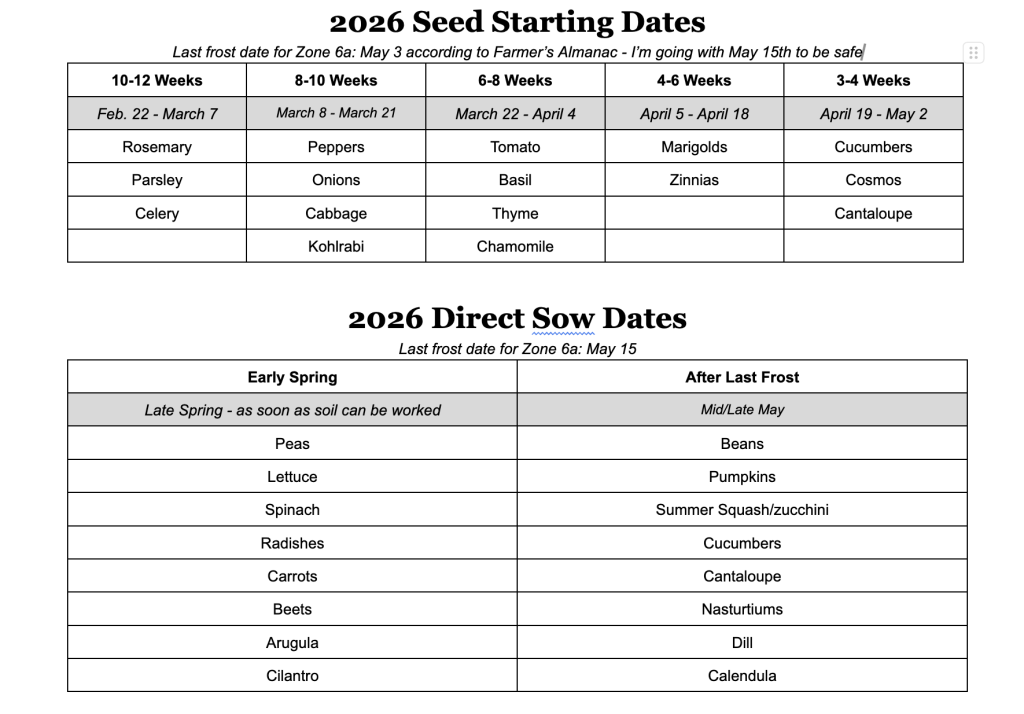
Planning seed-starting date

Once seeds arrive, I sort packets into two piles: Start Indoors and Direct Sow. For indoor starts, I count backward from my planting date rather than my last frost date — I usually plant around Memorial Day weekend to play it safe — and note those dates in my journal and calendar. I created the chart below for my zone – 6a.

This keeps everything in one place and helps the season unfold smoothly.

Audrey Hepburn once said, “To plant a garden is to believe in tomorrow.” It’s a simple reminder of why this work feels so meaningful, season after season. 🌿

Lindsay


Extra Resources *

  • Farmers Almanac – Find last frost date
  • Garden Journal
  • My favorite gardening book: Guide to Michigan Vegetable Gardening

I’ve ordered seeds from several companies over the years, including Gurney’s, Burpee, and True Leaf Market. I’m not affiliated with any of them — they’re simply ones I’ve used and liked.

*Some links in this post may be affiliate links. If you choose to purchase through them, I may earn a small commission at no extra cost to you.

Filed Under: Gardening Tagged With: garden, gardening, homegrown, journal, seed starting, seeds

Cheeseburger Soup

January 23, 2026 by simplerootsofjoy Leave a Comment

This cheeseburger soup is your favorite cheeseburger deconstructed into a warm hearty meal. This soup is a family favorite and can be thrown together with ingredients you typically have on hand.

Soups are a staple in our weekly dinner line up. Especially in the fall and winter. Soups are a great way to use up leftover meat and vegetables from the week to make a nourishing and substantial meal.

Cheeseburger soup is made from ingredients that we typically have on hand: bacon ground beef, celery, carrots, onion, garlic, potatoes, broth, milk and cheese. These simple ingredients come together to create a flavorful and satisfying meal!

A few helpful notes:

  • You can easily use leftover hamburger patties for this soup if you have them. Just crumble and add as directed.
  • Cooking the bacon in the same pot before assembling the soup adds extra depth from all those browned bits. If you prefer, you can also cook the bacon earlier in the day on a sheet pan at 400°F for about 20 minutes, or until crisp. In that case, adding a spoonful of the bacon drippings when cooking the vegetables brings back that savory flavor.
  • This soup works well with a flexible schedule. It can be made earlier in the day and left to gently simmer on the stove for a few hours if that’s helpful.
  • I typically use whole milk, but I’ve also used a mix of milk, half-and-half, and heavy cream with great results.
  • For serving, try topping bowls with chopped dill pickles and/or a dash of hot sauce for a little extra bite.
  • This soup pairs especially well with my Rustic Dutch Oven Bread for an easy, comforting meal.
Yield: 8

Cheeseburger Soup

This creamy and delicious soup is a family favorite all year long!

Prep Time 30 minutes
Cook Time 45 minutes
Additional Time 1 hour 15 minutes
Total Time 2 hours 30 minutes

Ingredients

  • 1 lb. ground beef (80/20)
  • 5-6 slices bacon, chopped
  • 1 yellow onion, diced
  • 2 celery stalks, diced
  • 3 large carrots, peeled and diced (or a handful of shredded carrots)
  • 2 cloves garlic, minced (or 1/2 t. garlic powder)
  • 4-5 small to medium russet potatoes, peeled and diced
  • 32 oz. chicken broth or stock
  • 1 t. kosher salt
  • 1 t. ground black pepper
  • 2 T. cornstarch
  • 2 c. whole milk (half and half works too)
  • 2-3 c. freshly shredded sharp cheddar cheese (shred by hand, not pre-shredded)

Instructions

  1. In a large pot or Dutch oven, brown the ground beef over medium heat. (Alternatively, crumble 4 previously cooked burgers.) Remove the beef to a paper towel–lined plate and set aside.
  2. In the same pot, cook the bacon until crisp. (If your bacon is already cooked, you can skip this step.) Remove bacon to a paper towel and reserve for topping just before serving.
  3. Add the 2 T. butter to the pot and melt over medium heat. Add the chopped celery, carrots, and onion. Cook until softened, about 10 minutes. Stir in the garlic and cook for 1–2 minutes, until fragrant.
  4. Add the chopped potatoes, broth, salt, and pepper. (I like to use 1 tablespoon chicken Better Than Bouillon with 32 oz. water.)
  5. Bring to a gentle simmer and cook until the potatoes are fork-tender, about 20 minutes.
  6. In a small bowl, whisk together the cornstarch and water. Stir the slurry into the soup and boil gently for about 2 minutes, stirring constantly, until thickened.
  7. Reduce heat to medium-low. Stir in the milk (or cream/half-and-half) and simmer for about 5 minutes, until slightly reduced.
  8. Slowly add the shredded cheddar cheese, stirring until fully melted and smooth. Add the cooked ground beef back to the pot and heat through, being careful not to boil.
  9. Serve warm, topped with crumbled bacon and extra cheese if desired.
© simplerootsofjoy
Category: Recipes

Filed Under: Recipes, Soup Tagged With: bread, cheeseburger, cozy, soup, warm, winter

Rustic Dutch Oven Bread

January 22, 2026 by simplerootsofjoy Leave a Comment

There are few things better than freshly baked bread. This simple, everyday loaf is mixed the night before, left to rise overnight, and ready to bake the next day — perfect for an easy dinner at home.

This is a very forgiving, no-knead bread. The long rise does most of the work, making it ideal for busy days or when you want something homemade without much effort.

BAKING BREAD IN A DUTCH OVEN

I love cooking with Dutch ovens. They’re wonderful for soup, stew, chili, roasts — and bread. Enamel-coated cast iron holds heat evenly and creates the perfect environment for baking. cook everything like magic.

Steam is the key to a good crust. Baking the bread with the lid on traps moisture around the dough, helping the yeast do its job and creating that crisp, rustic exterior. Once the lid comes off, the bread finishes baking to a beautiful golden brown.

HOW TO MAKE RUSTIC DUTCH OVEN BREAD

  1. Combine all ingredients in a mixing bowl and stir until well mixed.
  2. Cover with plastic wrap and let rise at room temperature for at least 8 hours, and up to 24 hours.
  3. About 30 minutes before baking, preheat the oven to 450°F with the Dutch oven and lid inside.
  4. Turn the dough out onto parchment paper, using flour as needed, and let it rest for about 30 minutes.
  5. Carefully lower the parchment and dough into the hot Dutch oven.
  6. Cover and bake for 30 minutes.
  7. Remove the lid and bake an additional 7–10 minutes, until the top is golden brown.
  8. Let cool slightly, then slice and enjoy.

This recipe isn’t fussy. Sometimes I oil a clean bowl for the rise, and sometimes I leave the dough right in the mixing bowl. Both work just fine.

TIPS FOR MAKING DUTCH OVEN BREAD

  • Plan ahead. If you know you’ll want bread with dinner the next day, mixing the dough the night before makes it easy.
  • Check your yeast. Yeast stays fresh about six months and should be stored airtight in the refrigerator.
  • Use warm (not hot) water. Aim for about 100–110°F — warm to the touch but not hot.
  • Rapid-rise yeast works best. If using active dry yeast, let it bloom in warm water for about five minutes before mixing.
  • Don’t overthink the rise. The dough can rise right in the mixing bowl if needed.
  • Any flour works. I like King Arthur all-purpose, but bread flour works too and gives a slightly softer crumb.

WAYS TO SERVE RUSTIC DUTCH OVEN BREAD

This bread pairs well with just about anything, but a few favorites include:

  • warm with butter
  • alongside soup or stew
  • served with pasta or a simple salad
  • dipped in olive oil with herbs, parmesan, and balsamic vinegar

Since this bread is best the day it’s baked, I like to use leftovers the next day for:

  • crostini for bruschetta
  • toast topped with smashed avocado, olive oil, flaky salt, and black pepper
  • homemade croutons for soups and salads

I hope this bread becomes a simple, reliable recipe in your kitchen, just as it has in mine.

❤️ Lindsay

Yield: 6 servings

Rustic Dutch Oven Bread

Rustic Dutch Oven Bread

Crusty on the outside and soft on the inside, this easy to make rustic homeade bread is perfect with any meal. Mix it up the night before and it will be ready to bake for dinner the next day.

Prep Time 5 minutes
Cook Time 40 minutes
Additional Time 8 minutes
Total Time 53 minutes

Ingredients

  • 3 1/2 cups all-purpose flour
  • 2 teas. kosher salt
  • 1/2 teas. active yeast
  • 1 3/4 cups warm water
  • 1-2 tbsp. olive oil, to coat bowl and drizzle on top (optional)

Instructions

MAKING THE DOUGH:

1. In a large bowl, mix together flour, salt, yeast and warm water until fully incorporated. Dough will be sticky.

2. Coat large clean bowl with about 1 tbsp. olive oil. Add the dough and drizzle with remaining olive oil.

3. Cover bowl with plastic wrap and a kitchen towel. Let rise at least 8 hours, but no longer than 24 hours.

COOKING THE BREAD:

1. Heat oven to 450 degrees F with the Dutch oven (lid on) inside for at least 30 minutes. Meanwhile, turn out the dough onto a lightly floured piece of parchment paper so it can rest for 30 minutes before cooking.

2. Then remove the Dutch oven from the oven, remove lid and carefully place the parchment paper and dough into the pot. Replace lid and return to oven for 30 minutes.

3. After the bread has baked for 30 minutes with the lid on, remove the lid and bake for an additional 7-10 minutes until the top is golden brown. Enjoy!

Nutrition Information:

Yield:

6

Serving Size:

2 slices

Amount Per Serving: Calories: 259Total Fat: 4gSaturated Fat: 1gTrans Fat: 0gUnsaturated Fat: 3gCholesterol: 0mgSodium: 585mgCarbohydrates: 48gFiber: 2gSugar: 0gProtein: 7g
© simplerootsofjoy
Category: Recipes

Filed Under: Bread, Recipes Tagged With: bread, Dutch oven, easy, quick, rise, yeast

Slow Cooker Carnitas

January 21, 2026 by simplerootsofjoy Leave a Comment

Slow cooker carnitas are one of those meals that feel special but fit easily into everyday life. The pork cooks low and slow until it’s tender and flavorful, then gets finished with a quick browning that gives it those irresistible crispy edges. It’s just as good tucked into tacos as it is piled onto nachos or eaten straight from the pan.

This is a great meal for feeding a group, planning ahead, or simply having something comforting simmer away while you go about your day.

What Are Carnitas?

arnitas are often described as Mexico’s version of pulled pork, though the tradition runs much deeper than that. Historically, authentic carnitas are slow-cooked in large copper vessels, with great care given to timing, texture, and flavor. The result is meat that’s tender, rich, and deeply satisfying.

While traditional carnitas require time and specialized equipment, a slow cooker does a wonderful job of recreating the heart of the dish at home. Cooking the pork low and slow allows the fat to render into the meat, keeping it moist and flavorful.

Garlic, onion, bay leaf, oregano, and cumin create a savory base, while fresh orange juice and peel add brightness and balance. The final browning step is what brings everything together, adding texture and depth.

How to Make Slow Cooker Carnitas

Ingredients

  • 4–5 lb pork shoulder (also called pork butt)
  • 1–2 tbsp kosher salt
  • 2 tsp cracked black pepper
  • 1 tbsp dried oregano
  • 2 tsp ground cumin
  • 2 tbsp olive oil
  • 1 yellow onion, chopped
  • 5 cloves garlic, minced
  • 2 bay leaves
  • 2–3 oranges, juiced, plus a few slices

Pat the pork shoulder dry and season all sides with the salt and pepper. In a small bowl, mix the oregano and cumin and rub evenly over the meat.

Place the pork in the slow cooker, fat cap facing up. Drizzle with olive oil, then add the onion, garlic, bay leaves, orange juice, and orange slices.

Cover and cook on low for 8–10 hours or high for 5–6 hours, until the meat is very tender and easily pulls apart.

Remove the pork and shred with two forks, discarding the bay leaves, orange peel, and any excess fat. The pork is now ready to be browned.

Browning the Carnitas (Don’t Skip This)

Browning the carnitas is what gives them their signature crispy edges and deep flavor. There are two easy ways to do this.

Method 1: Stovetop (my preferred method)

Heat a large skillet over medium-high heat and add about 1 tablespoon of olive oil. Add the shredded pork in batches, avoiding overcrowding. Spoon in a bit of the cooking liquid as needed.

Cook until the edges become golden and crisp, then transfer to a plate and loosely cover with foil while you finish the rest.

Method 2: Broiler

Spread the shredded pork on a parchment-lined sheet pan and drizzle with about 1 cup of the cooking liquid. Broil for 5–10 minutes, stirring once halfway through, until browned in spots.

Both methods work well — choose whichever fits your energy and schedule that day.

Helpful Tips

  • Pork shoulder (bone-in or boneless) works best for carnitas. Both options cook beautifully.
  • This recipe is excellent for make-ahead meals. The pork can be cooked and shredded a day or two in advance and stored in the refrigerator. Brown just before serving.
  • Carnitas freeze well for up to three months. Freeze after shredding but before browning. Thaw overnight and crisp up when ready to serve.
  • If the pork seems dry while browning, add a little of the reserved cooking liquid.
  • If lingering food smells bother you, airing out the kitchen or diffusing citrus oils after cooking helps freshen the space.

How to Serve Carnitas

ICarnitas are incredibly versatile. Some favorite ways to serve them include:

  • Tacos with crisped corn tortillas
  • Sheet pan nachos topped with cheese, peppers, and pickled jalapeños
  • Burrito bowls with rice and beans
  • Salads with citrus dressing

For tacos, I like to lightly brush corn tortillas with olive oil, sprinkle with salt, and warm them in a skillet until golden. They’re best served immediately.

Brush each side of the tortilla with olive oil and add a slight sprinkle of salt. Add to hot skillet until each side is golden brown. I put them immediately into a stainless steel taco holder for serving.

Favorite toppings include pickled red onions, fresh cilantro, feta or queso fresco, and a squeeze of lime. These pair especially well with Mexican rice, guacamole, and citrus-forward drinks.

Enjoy!

💗 Lindsay

Yield: 8 servings

Slow Cooker Carnitas

Slow Cooker Carnitas

This deliciously tangy Mexican pork is perfect for your next taco night. These will be the most crispy and flavorful tacos you have ever had!

Prep Time 10 minutes
Cook Time 8 hours
Total Time 8 hours 10 minutes

Ingredients

  • 4-5 lb. pork shoulder/butt 
  • 1-2 tbsp. kosher salt
  • 2 teas. cracked black pepper
  • 1 tbsp. dried oregano
  • 2 teas. ground cumin
  • 2 tbsp. olive oil
  • 1 yellow onion, chopped
  • 5 cloves garlic, minced
  • 2 bay leaves
  • 2-3 oranges, juiced and a few slices to lay on top

Instructions

  1. Pat the pork shoulder dry with paper towels. Season all sides with the kosher salt and cracked black pepper. In a small bowl, mix together the oregano and cumin, then rub the mixture evenly over the pork.
  2. Place the pork in the slow cooker with the fat cap facing up. Drizzle with the olive oil, then add the chopped onion, minced garlic, bay leaves, orange juice, and orange slices.
  3. Cover and cook on low for 8–10 hours or high for 5–6 hours, until the pork is very tender and easily pulls apart with a fork.
  4. Transfer the pork to a large bowl or cutting board. Discard the bay leaves and orange peels, and remove any large pieces of excess fat.
  5. Shred the pork using two forks. Reserve some of the cooking liquid for browning.
  6. To brown on the stovetop: Heat a large skillet over medium-high heat with about 1 tablespoon of olive oil. Add the shredded pork in batches, spooning in a little of the reserved cooking liquid as needed. Cook until the edges are golden and crisp.
    OR brown under the broiler: Spread the shredded pork on a parchment-lined sheet pan and drizzle with about 1 cup of the reserved cooking liquid. Broil for 5–10 minutes, stirring once halfway through, until browned in spots.
  7. Serve warm in tacos, on nachos, or however you like, with your favorite toppings.

Nutrition Information:

Yield:

8

Serving Size:

1

Amount Per Serving: Calories: 3379Total Fat: 246gSaturated Fat: 90gTrans Fat: 0gUnsaturated Fat: 134gCholesterol: 1021mgSodium: 2517mgCarbohydrates: 9gFiber: 2gSugar: 5gProtein: 265g
© simplerootsofjoy
Category: Recipes

Filed Under: Dinner, Recipes Tagged With: burrito bowl, carnitas, Mexican, nachos, taco Tuesday, tacos

Welcome

January 30, 2021 by simplerootsofjoy Leave a Comment

This is a quiet place for nourishing food, gentle rhythms, and the beauty of everyday life. Here, I share simple, practical ways to care for home and family — cooking real meals, creating with our hands, tending the garden, and finding joy in ordinary days.

Simple Roots of Joy is about slowing down, choosing what truly matters, and living well in a way that feels grounded and sustainable. No perfection, no pressure — just a return to the basics that bring comfort, connection, and a sense of home.

I’m so glad you’re here.

Filed Under: Uncategorized

Primary Sidebar

Let’s Connect

  • Facebook
  • Instagram
  • Pinterest

Welcome

This space is about everyday home life — cooking real food, making things by hand, and caring for the little things that matter. It’s about slowing down and finding meaning in ordinary days: meals shared at home, simple creative projects and time in the garden.

Recent Posts

  • Sautéed Green Beans with a Simple Butter Sauce
  • Breakfast Enchiladas with Sausage Gravy
  • Pickled Red Onions
  • Creamy Mushroom Soup
  • 5 Simple Ways to Plan Your Spring Garden this Winter

Recent Comments

    Copyright © 2026 Simple Roots of Joy on the Foodie Pro Theme